How should the water circulation pipeline be constructed to avoid bacterial growth?
/* Unique root container with a random suffix for isolation */
.gtr-container-hmdl789 {
font-family: Verdana, Helvetica, "Times New Roman", Arial, sans-serif;
color: #333;
line-height: 1.6;
padding: 15px;
max-width: 100%;
box-sizing: border-box;
}
/* General paragraph styling */
.gtr-container-hmdl789 p {
font-size: 14px;
margin-bottom: 1em;
text-align: left !important;
word-break: normal;
overflow-wrap: break-word;
}
/* Main section titles (replacing original h2) */
.gtr-container-hmdl789 .gtr-title-main {
font-size: 18px;
font-weight: bold;
color: #5D98E7; /* Theme color */
margin-top: 1.5em;
margin-bottom: 1em;
text-align: left;
}
/* Sub-section titles (replacing original h3 and some h2s) */
.gtr-container-hmdl789 .gtr-title-sub {
font-size: 16px;
font-weight: bold;
color: #333;
margin-top: 1.2em;
margin-bottom: 0.8em;
text-align: left;
}
/* Emphasis styling */
.gtr-container-hmdl789 em {
font-style: italic;
color: #555;
}
/* List styling */
.gtr-container-hmdl789 ul {
list-style: none !important;
padding-left: 20px;
margin-bottom: 1em;
}
.gtr-container-hmdl789 ul li {
position: relative;
padding-left: 1.5em;
margin-bottom: 0.5em;
font-size: 14px;
text-align: left !important;
list-style: none !important;
}
.gtr-container-hmdl789 ul li::before {
content: "•" !important;
color: #5D98E7; /* Theme color for bullet */
font-size: 1.2em;
position: absolute !important;
left: 0 !important;
top: 0;
line-height: inherit;
}
/* Specific styling for the "Note" section */
.gtr-container-hmdl789 .gtr-note-section {
margin-top: 2em;
padding: 15px;
border-left: 4px solid #5D98E7; /* Industrial accent */
background-color: #f9f9f9; /* Light background for note */
margin-bottom: 1.5em;
}
/* Responsive adjustments for PC */
@media (min-width: 768px) {
.gtr-container-hmdl789 {
padding: 25px 40px;
max-width: 960px;
margin: 0 auto;
}
.gtr-container-hmdl789 .gtr-title-main {
font-size: 20px;
}
.gtr-container-hmdl789 .gtr-title-sub {
font-size: 18px;
}
}
Water for hemodialysis treatment is not ordinary tap water; it must circulate continuously throughout the entire pipeline network.
1. Insufficient flow velocity = breeding ground for bacteria
Why is continuous circulation mandatory? Once the flow velocity is inadequate, biofilm will rapidly proliferate on the inner wall of pipelines.
After biofilm forms, conventional disinfection methods cannot completely eliminate microorganisms. Bacteria shelter within the extracellular polymeric substance (EPS) polysaccharide protective layer, exhibiting 100 to 1000 times greater resistance to chemical disinfection than planktonic bacteria.
This is the root cause of the common issue encountered in many hemodialysis centers: water quality meets standards immediately after disinfection yet exceeds microbial limits again within a few weeks.
What is the compliant flow velocity threshold?
Appendix B of YY/T 1269-2015 Routine Control Requirements for Water Treatment Equipment Used in Hemodialysis and Related Therapies explicitly stipulates that the minimum recirculation flow velocity at the far end of hemodialysis water circulation pipelines shall be controlled at 0.4572 m/s (1.5 ft/s).
This parameter originates from standards issued by the Association for the Advancement of Medical Instrumentation (AAMI), and is also formally cited in the dialysis facility survey guidelines released by the U.S. Centers for Medicare & Medicaid Services (CMS):
"A minimum velocity of 1.5 ft/s in the distal portion of a direct feed system is recommended when the system is operating under conditions of peak demand."—— U.S. CMS State Operations Manual, Appendix H: End-Stage Renal Disease (ESRD) Dialysis Facility Survey Guidance(State Operations Manual Appendix H)
However, if the piping network is sized and routed for 40 dialysis stations yet only 10 dialysis machines draw process water, the actual flow rate across the entire pipeline will be roughly one-quarter of the full-load flow, and the flow velocity at the distal end of the piping will fall substantially below 0.4572 m/s.
2. Hazardous Dead Legs
Far more dangerous than insufficient flow velocity are the 30 vacant water supply outlets where dialysis machines are not yet installed.
Without standardized disposal, these outlets will form individual dead legs with completely stagnant water flow. The U.S. CMS guidelines clearly state:
"Dead-end pipes and unused branches and taps that can trap fluid must be eliminated because they act as reservoirs of bacteria and are capable of continuously inoculating the entire volume of the system."
Dead legs trap fluid, serve as bacterial reservoirs, and continuously inoculate bacteria into the entire water system.
Note
The ISO 23500 series standards (the primary reference basis for YY 0793.2-2023) contain an important supplementary statement in the 2019 edition:
"Although flow velocity previously was used to reduce bacterial contamination and biofilm, this method, by itself, is not adequate, particularly if flow is not continuous. Thus, regular disinfection becomes much more critical."——Interpretation of ISO 23500 Series Standards (AAMI 2019)
Flow velocity regulation can suppress biofilm formation, yet velocity control alone is insufficient, especially under discontinuous flow conditions. For this reason, routine disinfection is far more critical.
Sufficient flow velocity is a necessary but not sufficient condition for water quality control. For hemodialysis centers that open in phases, both flow velocity management and disinfection management must be strictly enforced simultaneously.
Strategy 1: One-time piping installation for the final designed scale, phased equipment deployment
This represents sound engineering logic.
During the renovation phase, the water supply and return piping shall be fully installed to meet the full-load capacity of 40 dialysis stations in one go to avoid subsequent hidden troubles. Retrofitting piping with construction work for future capacity expansion will incur far higher costs than the incremental expense of one-time complete installation.
The main water treatment units can be deployed in phases. For the initial 10 dialysis stations, select main units with a water output capacity sized for 10 to 15 stations. Reserve mounting spaces and piping connections for main units; additional or upgraded main units can be added for future expansion without disrupting normal operation of the existing system.
Strategy 2: Eliminate Dead Legs; Unused Outlets Must Be Handled in Compliance with Specifications
This is a detail that is most frequently overlooked and prone to operational pitfalls.
The 30 water supply outlets without installed dialysis machines shall neither be left open nor casually blocked with cloth.
Correct practice: Seal the outlets securely with dedicated blank plugs compatible with the piping material, to ensure disinfectant can reach the outlets during disinfection and flushing water can flow through during rinsing. Reinstall the blank plugs once disinfection is completed.
If conditions permit, install short valve-connected pipe nipples at each unused outlet. Keep the valves closed under routine operation and open them during disinfection to allow disinfectant circulation, so as to minimize dead leg risks to the greatest extent.
Strategy 3: Maintain Compliant Flow Velocity Across the Entire Piping via Bypass Recirculation
The water consumption of only 10 dialysis stations cannot sustain the recirculation flow velocity required for a piping system sized for 40 stations.
The solution is to install a bypass valve at the distal end of the loop. Excess water bypasses the dialysis machines and flows back directly to the main unit through the bypass pipeline to form an independent high-speed recirculation loop.
No matter how many dialysis stations are actually in operation, the recirculation flow velocity of the whole piping system can be consistently maintained above 0.4572 m/s, eliminating low-flow stagnant zones.
This design requirement shall be proposed during the renovation phase and explicitly incorporated into the system design by the water treatment equipment manufacturer. Modifications after system installation should be avoided.
Strategy 4: Implement Full-Piping Disinfection Without Cutting Corners
This step is prone to improper operation: maintenance personnel tend to believe that disinfection is unnecessary for the 30 unused dialysis station branches.
This practice is incorrect.
Disinfection shall cover the entire planned piping network, including all pipe segments that are not yet connected to dialysis machines.
In accordance with YY 0793.2-2023 and WS/T 854-2025, disinfection protocols shall be dynamically verified based on microbial monitoring data, rather than determining the disinfection scope subjectively.
During the phased opening period, the piping layout is relatively lengthy with low flow velocity, resulting in a higher risk of bacterial proliferation compared with full-load operation. The disinfection frequency shall not be reduced; it must be implemented strictly in accordance with the operation manual of the water treatment equipment, or even increased appropriately.
Strategy 5: Increase the Frequency of Water Quality Monitoring to Detect Potential Risks Early
The phased opening period carries the highest water quality risks. The following recommendations are provided:
For the first three months before clinical operation commences, raise the bacterial monitoring frequency from once monthly to once every two weeks.
Collect samples simultaneously at the supply start and pipeline distal ends, and closely track any upward trend of microbial levels at the distal end.
Refer to the intervention threshold specified in YY 0793.2-2023 (bacteria ≥ 50 CFU/mL). Initiate disinfection and root cause investigation immediately once the intervention threshold is reached, instead of waiting until microbial limits are exceeded.
Summary of Common Causes for Non-Compliant Water Hardness in Resin Softening Systems
.gtr-container-pqr789 {
font-family: Verdana, Helvetica, "Times New Roman", Arial, sans-serif;
color: #333;
line-height: 1.6;
padding: 16px;
box-sizing: border-box;
max-width: 100%;
overflow-x: hidden;
}
.gtr-container-pqr789 p {
font-size: 14px;
margin-bottom: 1em;
text-align: left !important;
word-break: normal;
overflow-wrap: normal;
}
.gtr-container-pqr789 .gtr-title {
font-size: 18px;
font-weight: bold;
color: #5D98E7;
margin-bottom: 1.5em;
text-align: left;
}
.gtr-container-pqr789 .gtr-subtitle,
.gtr-container-pqr789 .gtr-author,
.gtr-container-pqr789 .gtr-date {
font-size: 14px;
color: #666;
margin-bottom: 0.5em;
text-align: left;
}
.gtr-container-pqr789 .gtr-section-title {
font-size: 16px;
font-weight: bold;
color: #5D98E7;
margin-top: 2em;
margin-bottom: 1em;
text-align: left;
}
.gtr-container-pqr789 .gtr-subsection-title {
font-size: 15px;
font-weight: bold;
color: #333;
margin-top: 1.5em;
margin-bottom: 0.8em;
text-align: left;
}
.gtr-container-pqr789 ul,
.gtr-container-pqr789 ol {
margin: 0;
padding: 0;
list-style: none !important;
margin-left: 20px;
}
.gtr-container-pqr789 li {
position: relative;
padding-left: 20px;
margin-bottom: 0.5em;
font-size: 14px;
text-align: left !important;
list-style: none !important;
}
.gtr-container-pqr789 ul li::before {
content: "•" !important;
position: absolute !important;
left: 0 !important;
color: #5D98E7;
font-size: 1.2em;
line-height: 1.6;
}
.gtr-container-pqr789 ol li::before {
content: counter(list-item) "." !important;
position: absolute !important;
left: 0 !important;
color: #333;
font-weight: bold;
width: 18px;
text-align: right;
}
.gtr-container-pqr789 .gtr-list-item-group {
margin-bottom: 1em;
}
.gtr-container-pqr789 .gtr-list-item-group p {
margin-bottom: 0.5em;
}
.gtr-container-pqr789 .gtr-formula {
font-weight: bold;
color: #5D98E7;
margin-top: 1.5em;
margin-bottom: 1.5em;
padding: 10px 15px;
border-left: 4px solid #5D98E7;
}
.gtr-container-pqr789 .gtr-example-content,
.gtr-container-pqr789 .gtr-notes-content {
margin-bottom: 0.8em;
}
@media (min-width: 768px) {
.gtr-container-pqr789 {
padding: 24px;
}
.gtr-container-pqr789 .gtr-title {
font-size: 20px;
}
.gtr-container-pqr789 .gtr-section-title {
font-size: 18px;
}
.gtr-container-pqr789 .gtr-subsection-title {
font-size: 16px;
}
}
Summary of Common Causes for Non-Compliant Water Hardness in Resin Softening Systems
(Theoretical Calculation of Resin Water Production)
Piaoyichun Resin
April 19, 2026, 05:04, Anhui
Softening resin is widely adopted as filter media in water softening systems. In practical application, even resin from the same batch often delivers inconsistent performance among different users. The causes leading to substandard effluent hardness of softening systems are analyzed in the following two parts:
I. The following are the primary reasons for excessive water hardness during the initial commissioning of softening equipment:
A. The O-ring at the connection between the central tube and the fully automatic softening control valve fails to achieve effective sealing. The following items shall be inspected:
Whether the central tube has sufficient length and its outer diameter complies with specification requirements;
Whether the O-ring is omitted during installation;
Whether the O-ring is damaged;
Whether the central tube is damaged or cracked.
B. The ratio of raw water hardness to the height of the ion exchange resin bed is excessively high. The inlet water hardness of a single-stage sodium ion exchanger shall be less than 8 mmol/L.
C. The operating flow velocity of the softening system is excessively high. Long-term operation at the maximum allowable flow rate of the equipment is strictly prohibited. The conventional operating flow velocity of fixed-bed co-current regeneration systems ranges from 20 to 30 m/h. This upper limit is only an instantaneous peak value, and prolonged operation at this flow rate is not permitted.
D. A large volume of gas accumulates inside the resin tank. The gas may be entrained in inlet feedwater or generated by poor sealing of the air check valve during the slow rinse process.
E. Large-particle industrial softening salt is not applied for regeneration.
F. Internal hardness leakage occurs inside the fully automatic softening control valve. Typical internal leakage is characterized by simultaneous water discharge from both the softened water outlet and the wastewater outlet.
II. The following are the primary reasons why the hardness of the effluent from softening systems already in operation exceeds the standard:
A. The regeneration cycle for the resin is set excessively long, or the flow meter of the softening system malfunctions, resulting in inaccurate metering. This causes the cation exchange resin to miss timely regeneration when required, and the replaced resin fails to meet matching specification standards. In addition, some users originally adopted electric-grade or imported resin, but replaced it with domestic water-grade resin, resulting in inconsistent effluent water quality compared with the previous condition.
B. The rinse cycle is too short, causing part of the waste brine that should be eliminated during positive rinsing to be carried into the softened water tank.
C. Unstable raw water pressure leads to insufficient water replenishment in the brine tank, inadequate salt suction, and incomplete positive rinsing. Any of the above conditions may cause excessive effluent hardness after resin regeneration and adversely affect the water quality in the softened water tank.
D. The salt level in the brine tank is not replenished timely when it is insufficient, resulting in poor regeneration performance of the ion exchange resin.
E. Operational errors include closing the raw water valve during the resin regeneration process, or the bypass ball valve being left open or suffering from leakage.
F. Ion exchange resin becomes poisoned and loses exchange capacity. High concentrations of Fe³⁺, Al³⁺ and manganese in raw water will cause resin poisoning. At this time, the resin darkens and presents a deep red colour, which further reduces the exchange capacity of the resin and lowers the water production per regeneration cycle.
Water Production Calculation Formula
Cycle water production (m³) = {Resin working exchange capacity (mol/m³) × Resin volume (m³)} ÷ Raw water hardness (mmol/L)
1. Resin Working Exchange Capacity (Eg)
Significance: It refers to the actual capacity of each liter of resin to exchange hardness ions, serving as a core performance indicator.
Value selection: Normally set at 1000 mmol/L (1 mol/L) for calculation, representing the theoretical economic value. The actual value is about 60% of the volumetric exchange capacity of the resin, affected by water quality, process conditions and other factors.
2. Resin Volume (V)
Significance: The actual volume of resin filled inside the pressure tank.
Calculation: Calculated by the cylinder volume formula: π × Radius² × Height. All units must be unified in liters (L) or cubic meters (m³).
3. Raw Water Hardness (H)
Significance: Total concentration of calcium and magnesium ions in water.
Unit conversion: If the unit in the water quality report is mg/L calculated as CaCO₃, it shall be converted into mmol/L.
Conversion formula: Hardness (mmol/L) = Hardness (mg/L as CaCO₃) ÷ 50
Example: 370 mg/L ÷ 50 = 7.4 mmol/L
Calculation Example
Assume the raw water hardness is 300 mg/L (as CaCO₃), the resin tank is filled with 500 L resin, and the working exchange capacity is taken as 1000 mmol/L.
Unit conversion: Raw water hardness = 300 ÷ 50 = 6 mmol/L
Total exchange capacity = 1000 mmol/L × 500 L = 500,000 mmol
Cycle water production = 500,000 mmol ÷ 6 mmol/L = 83,333.33 L (approximately 83.3 tons)
Important Notes
The calculated result is a theoretical value. The actual water production is affected by inlet water temperature, pH value, regeneration effect, effluent standards and other factors, with certain fluctuations. The calculated value is recommended only for reference, and parameters shall be adjusted according to actual operation monitoring data.
Unified unit is essential and the most error-prone step. Before calculation, ensure the hardness unit is mmol/L and the resin volume is unified in L or m³; otherwise, minor unit deviations will lead to large calculation errors.
What are the requirements for dialysis water system in hemodialysis, and how is quality ensured?
As is well known, water is the source of life. Hemodialysis treatment also relies on water, but the water used for hemodialysis is different from ordinary tap water. High-quality dialysis water system are required to ensure patient safety.
For a long time, dialysis water system were only considered ancillary products of dialysis machines, with little technical complexity, as long as the water output was sufficient. However, a series of serious accidents involving casualties caused by excessive levels of unqualified chemical agents in water – such as aluminum pollution in Portugal in 1993, chloramine pollution in Spain in 1996, and formaldehyde pollution in Ohio, USA – clearly demonstrate how crucial the safety of water treatment is.
During dialysis treatment, 99.3% of the dialysate is water. Throughout the dialysis period, each patient will be exposed to the filtration of 15,000 to 30,000 liters of water per year. Dialysis patients are directly connected to the water used, and even small errors can harm them. It is important to note that the opportunity for contact between dialysis water and a patient's blood during hemodialysis is more than 20 times greater than the total amount of water consumed. This means that if a person consumes 1000 mL of water per day, the total amount of impurity components entering the patient's body during hemodialysis, based on the upper safety limit of impurities in the consumed water, could be 10 to 25 times higher. On the other hand, consumed water always reaches the bloodstream through gastrointestinal absorption. When water is absorbed from the gastrointestinal tract, cell membranes can selectively absorb substances, thereby altering the proportion of chemical components in the water.
During hemodialysis, water diffuses into the blood through a non-biological membrane (artificial membrane). The dialysis membrane cannot selectively absorb or reject specific ions. Thus, substances present in the dialysate, provided their molecular size allows passage through the dialysis membrane, can enter the bloodstream. Consequently, water that may be harmless for drinking can be toxic when used as dialysate without reliable dialysis water system.
If municipal tap water were used directly for hemodialysis, particulate matter and microorganisms could damage dialysis equipment, while inorganic or organic substances and bacterial byproducts could poison patients, causing symptoms such as Hard Water Syndrome, dialysis fever, chloramine poisoning, hemolysis, etc. The quality of the dialysate water directly affects the patient's nutritional status and is also a risk factor for complications. Therefore, the quality of dialysis water is a crucial link in ensuring effective and safe patient treatment, which depends on advanced dialysis water system.
With the rapid development of blood purification technology, the quality of life and survival rate of dialysis patients continue to improve. The series of clinical problems caused by contamination of dialysis water and dialysate have garnered attention from patients, families, medical workers, and scholars, leading to great emphasis being placed on it. Below, we elaborate on the hazards arising from substandard dialysis water quality:
Hazards of Non-Compliant Dialysis Water Quality
Aluminum Poisoning: Can cause low-turnover bone disease, as well as microcytic hypochromic anemia, dementia, tremors, and speech difficulties.
Hard Water Syndrome: Patients exhibit acute poisoning symptoms such as nausea, vomiting, fatigue, itching, severe hypertension, and even convulsions and coma.
Acute Hemolysis: Mild hemolysis may be asymptomatic. Significant hemolysis can manifest as cherry-red transparent blood coming from the dialyzer outlet, with patients experiencing chest tightness, chest pain, nausea, vomiting, dyspnea, and arrhythmia.
Pyrogenic Reaction: Bacterial and endotoxin contamination in dialysis water is a critical issue in the field of blood purification. Bacteria adhere to surfaces via "biofilms" they produce, particularly on reverse osmosis membranes, water delivery pipes, dialysis machine water pathways, etc. If the dialysis membrane is compromised, bacterial byproducts and cell membrane components can pass through the membrane pores into the blood, causing pyrogenic reactions in patients. This leads to symptoms like fever, chills, hypotension, and in severe cases, death. Endotoxins produced by bacteria can cause fever in patients. Long-term exposure can lead to various chronic complications, including decreased immune function, amyloidosis, atherosclerosis, and hypercatabolism. This can cause resistance to erythropoietin, leading to refractory anemia.
Other Adverse Reactions:
Certain substances naturally present in water, additives to the water source, supply pipelines, dialysis water treatment systems, and hemodialysis machines can all lead to serious adverse reactions. When collective adverse events occur, the possibility of issues with dialysis water should be considered. Tests such as complete blood count, bacterial culture, botulinum toxin, disinfectant residue levels, and chemical contaminant analysis of reverse osmosis water should be performed based on the patient's condition. Furthermore, substandard dialysis water quality can cause malfunctions in water delivery pipelines and dialysis machines, even shortening their service life and increasing costs for the blood purification center.
Measures to Ensure Quality of Dialysis Water System.
Regularly test the quality of dialysis water and strictly adhere to aseptic techniques.
Maintain maintenance records for the dialysis water treatment systems, regularly assess the function of reverse osmosis membranes and filters, and replace them periodically.
Ensure the water treatment system is designed and installed scientifically and rationally. The dialysis water pipeline structure should be reasonable, without dead ends, allowing for thorough disinfection and cleaning.
Enhance training and education. Disinfect dialysis machines every shift, disinfect dialysis water pipelines monthly, and disinfect the reverse osmosis unit every three months. The concentration of disinfectant residues must be measured after disinfection.
Dialysis water safety management relates to the quality of the blood purification center, the service life and operating costs of equipment, and, most importantly, the dialysis quality and survival rate of patients. We must give it sufficient attention and implement effective dialysis water safety management both in mindset and action.
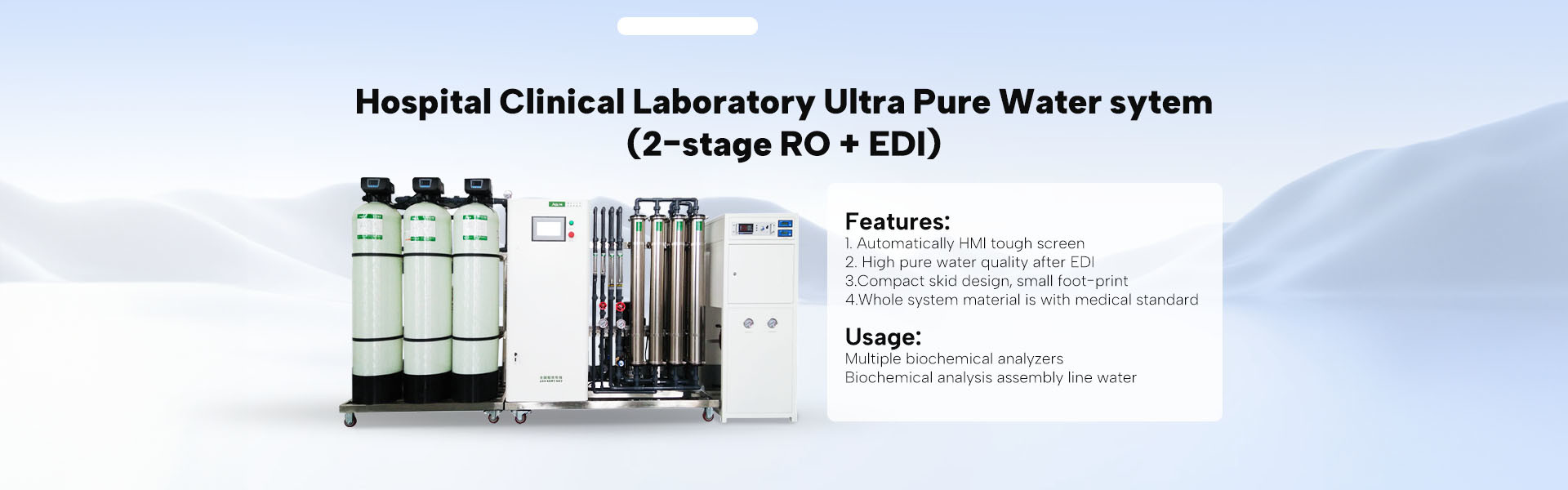
LEADER-T is committed to providing overall solutions for hospital smart water systems. The water supply pipelines are designed without dead ends, effectively preventing microbial contamination of dialysis water.
The Leader-T dialysis water treatment systems are currently among the most advanced in China. The quality of its reverse osmosis water can meet ultrapure water standards, with various indicators exceeding Chinese national standards, fundamentally ensuring the quality of patients' hemodialysis.
Leader-T conducts regular monthly ongoing equipment maintenance, not only ensuring the safety of dialysis water quality for patients but also preventing cross-infection between patients. To ensure patient safety and improve their quality of life, the Blood Purification Center team of the Nephrology Department will wholeheartedly serve patients.
Contact us to learn more about Leader-T dialysis water system and how they can ensure safe hemodialysis water quality.
Join Us as a Global Distributor for Dialysis Water Treatment System
Join Us as a Global Distributor for Dialysis Water Treatment System
As the global demand for high-quality dialysis treatment continues to grow, the importance of reliable and efficient water treatment systems has never been greater. Clean and safe water is the foundation of every dialysis center, and achieving consistently high water quality requires advanced reverse osmosis dialysis(RO) technology.
Who we are?
We are a leading manufacturer in China specializing in dual-stage reverse osmosis dialysis machine. Over the past decade, we have successfully partnered with over 100 dialysis centers across China.
Today, we are seeking global distribution partners of reverse osmosis dialysis to help us expand into international markets. If you are experienced in ro water for dialysis and are looking to grow your business with innovative and competitive products, we invite you to join our partnership network.
Dater treatment for hemodialysis is a highly specialized field where system stability, consistent water quality, and cost efficiency are critical. Our water treatment plant in dialysis are designed to meet the stringent water purity standards required for dialysis treatment while helping healthcare providers reduce operational costs.
The reverse osmosis in dialysis treating capacity we can do from portable one like 60L/H to big system 3000L/H.
Our Dialysis Water Treatment System Advantages:
Compared to European and American dialysis ro systems, our systems deliver the same level of performance and quality at a more competitive price point. This makes them particularly attractive for developing healthcare markets or dialysis centers looking to expand capacity while controlling costs.
Now we have regular CE certificate and ISO 13485 (Medical device), and we are applying the CE-Medical Device too.
We aim to build long-term partnerships of Dialysis Water Treatment System with distributors who:
1.Have industry experience in reverse osmosis system for dialysis, medical equipment, or hospital supplies
2.Possess a strong local network among dialysis centers, hospitals, or medical device companies
3.Can provide sales, installation, and basic technical support to end-users
We provide strong support to our Dialysis Water Treatment System distributor, including:
1.System design and customization
2.Training for distributor engineers and technicians
3.Long-term technical guidance and spare parts supply
If you are interested in becoming our regional distributor or would like to learn more about partnership opportunities, please contact us today:
Email:leadertwater@gmail.com
Phone: +86 15308032784 (whatsapp)
Join us, and let’s create better dialysis water solutions for patients worldwide.
2020 Our factory work with LORCS
In December 2019, inspection teams from Guizhou and Zhengzhou Red Cross Societies visited our company. In order to protect people's lives and health, carry forward the humanitarian spirit, and promote the cause of peace and progress, the Red Cross Societies inspected the water purification equipment used for disaster preparation and relief in our company.Leaders have inspected the operation, production, office environment and the entire operation process of equipment.After learning that Kone has been working hard to build a core team, committed to the comprehensive upgrade of products and technology, has an advanced technical team, perfect product production line, excellent after-sales service team, capable of according to customer needs, to meet customer's various customized requirements.In view of the special water needs of the Red Cross, the team selected the first mobile device in May of the following year after comparing with other mobile devices. After a comfortable use experience, two more devices were purchased two months later.In the same year, in order to ensure the quality of equipment, our company also participated in the joint exercise organized by the Red Cross Society, and the inspection team was very satisfied with it, and indicated that there would be more cooperation in the future.


 Your message must be between 20-3,000 characters!